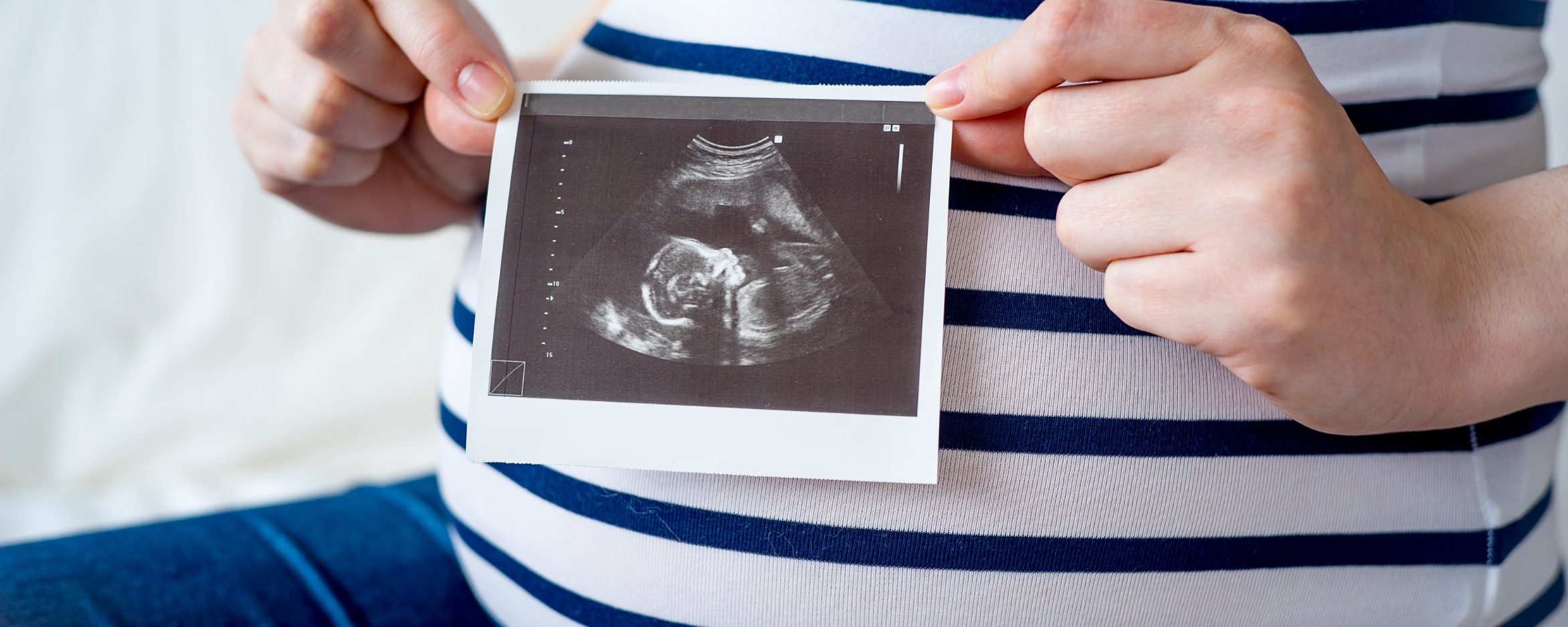
You’re in Bangkok. You’re tired, your neck and back ache, and everything relaxation sounds like exactly what you need. There’s just one thing: you’re pregnant.
The honest answer is that massage during pregnancy is a nuanced topic, and at Chandee, we take it seriously. While research suggests certain forms of massage can be beneficial for expectant mothers, we do not offer any massage below the neck to pregnant guests. The risks tied to deep pressure, specific pressure points in the legs and feet, and cardiovascular changes during pregnancy are not worth taking lightly.
What we can offer is a safe, deeply restorative head, scalp, neck, and shoulder experience and a clear picture of why the rest is better left until after you’ve delivered.
Here is what the evidence actually says, and what it means for you.
The First Trimester: When Caution Matters Most
The first twelve weeks of pregnancy carry a statistically higher risk of miscarriage and while research has not found a direct causal link between massage and early pregnancy loss, most certified prenatal massage therapists will decline to work with clients in their first trimester, or will require a doctor’s written clearance before doing so.
As the American Pregnancy Association notes, “many facilities will refuse to offer massage to a woman who is still in her first trimester because of the increased risk for miscarriage associated with the first 12 weeks of pregnancy.” This is a precautionary position, not a confirmed mechanism of harm, but it reflects a broadly shared standard of care in the industry.
Our position at Chandee: We ask all guests who are in their first trimester to consult with their obstetrician or midwife before booking. Your safety and your doctor’s guidance always come first.
What Happens to the Body During Pregnancy That Changes the Massage Equation
Pregnancy reshapes almost every system in the body. Understanding these changes explains why standard massage protocols need to be adapted or avoided entirely for expectant mothers.
The cardiovascular system increases blood volume significantly to support the baby, which changes how the body responds to pressure and positioning. Deep pressure near the veins of the legs carries a particular risk: pregnant women are more prone to blood clots (deep vein thrombosis), and forceful massage in these areas could potentially dislodge one.
The musculoskeletal system releases a hormone called relaxin, which loosens the ligaments in the pelvis in preparation for birth. This also creates greater instability elsewhere in the body, meaning joints that would normally tolerate pressure may be more vulnerable to injury.
Body position during massage becomes critical from around 16 weeks onwards. According to midwifery specialists at My Expert Midwife, “the weight of your womb is enough to compress the vena cava”, a major vein, when lying flat on your back. This compression can cause a significant drop in blood pressure, dizziness, or reduced blood flow to the placenta. Side-lying, supported by pillows, is the recommended position from this point onwards.
The Specific Massage Types to Avoid
Deep Tissue Massage
Deep tissue work applies significant, sustained pressure to the muscle layers beneath the surface and this is not appropriate during pregnancy. Cleveland Clinic specialists specifically warn that deep pressure can potentially dislodge blood clots in the legs, and can negatively affect blood pressure at a time when the cardiovascular system is already under strain.
Hot Stone Massage
Raising your core body temperature is not recommended during pregnancy. Most certified prenatal massage therapists will decline to offer hot stone massage to pregnant clients for this reason the heat that feels soothing in an ordinary session carries real risk when you’re expecting.
Strong Pressure on the Abdomen
This one is straightforward: direct, deep pressure on the abdomen should be avoided as the pregnancy progresses. Gentle, light touch may be fine, but any technique involving sustained abdominal pressure is off the table.
Certain Pressure Points (Particularly in the Ankles and Feet)
This is where foot massage and Thai massage require the most careful attention. There are specific acupressure points, most notably SP6, located between the ankle and the heel, that are associated with the reproductive organs and may stimulate uterine contractions.
Massage specialists at PRESS Modern Massage note that “massaging certain points, particularly on the ankles, feet, and hands, induces labor” and that “therapists need to avoid these areas during pregnancy, especially before full term.”
A peer-reviewed systematic review published in the National Institutes of Health database (PMC) acknowledges the debate around these pressure points, concluding that “health status should be inquired before each treatment and, when in doubt, in consultation with the obstetrician.”
Traditional Thai massage, which involves stretching, acupressure, and deep body work across the full body, falls into a category that requires specialist prenatal training to deliver safely to a pregnant guest.
When Massage Is Contraindicated Entirely
There are specific pregnancy conditions where massage of any kind should not take place without direct medical clearance and in some cases, should not take place at all. These include:
- Preeclampsia (a serious blood pressure condition)
- Gestational diabetes (particularly relevant to foot and leg massage)
- Deep vein thrombosis (blood clots)
- Placenta previa
- Preterm labor risk
- Uncontrolled high blood pressure
- Recent bleeding
UT Southwestern Medical Center advises that “if you have any of the following issues, talk to your doctor before getting a prenatal massage at any point in your pregnancy,” and their list overlaps substantially with the conditions above.
What is Generally Safe (With the Right Therapist)
After the first trimester, and in the absence of the conditions listed above, Swedish-style massage, light to moderate pressure, long flowing strokes, and side-lying position, is widely considered safe and beneficial during pregnancy.
Research cited by the American Pregnancy Association found that “hormone levels associated with relaxation and stress are significantly altered when massage therapy is introduced to women’s prenatal care,” leading to mood regulation and improved cardiovascular health. The same body of research found benefits, including reduced back and leg pain, lower anxiety and depression scores, and even improved birth outcomes, including higher fetal birth weight.
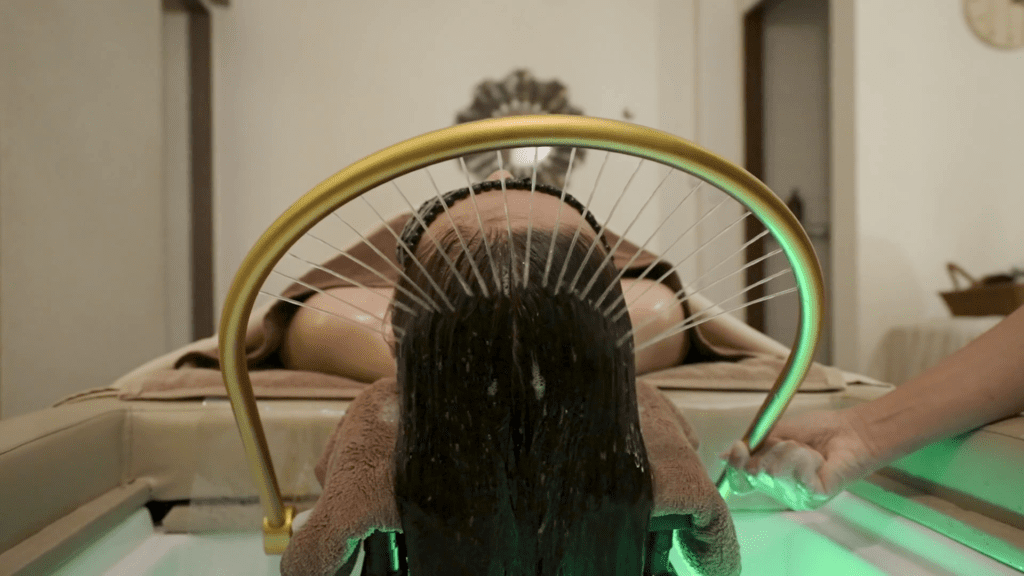
A head massage focused on the scalp, neck, and shoulders, with no involvement of the pressure points in the ankles or lower legs, is generally considered one of the safest forms of relaxation massage for pregnant women, as it does not interact with the cardiovascular concerns, abdominal considerations, or acupressure risks outlined above.
What This Means If You’re Visiting Chandee While Pregnant
We want every guest to leave Chandee feeling restored. And because we care about that genuinely, not just as a line in a brand guide, we follow these guidelines:
We welcome pregnant guests for:
- Head and scalp massage, adapted for your comfort
- Light neck and shoulder work
We ask pregnant guests to avoid:
- Deep body massage, hot stone massage, or any service involving strong pressure on the legs or feet
- Any booking in the first trimester without prior clearance from your doctor
- Any booking at any stage if you have a high-risk pregnancy condition please speak to your obstetrician first
- Please tell us when you book. Our team is warm, discreet, and trained to adapt. The more we know, the better we can take care of you.
If you are looking for a deeply relaxing treatment that is safe during pregnancy, Chandee’s head spa treatments focus entirely on the scalp, neck and shoulders, avoiding all pressure points that carry risk. Read more about what we offer at our best head spa in Bangkok guide.